Photography: Capturing Moments with a Personal Touch
When you're building a brand or crafting a personal project, every detail contributes to the story you're telling. The images you choose are crucial, but the typography that accompanies them often carries the emotional weight. This is where a font like Photography enters the frame. It's not just a collection of letters; it's a design asset that brings a specific, human feeling to your work. Think of it as the typographic equivalent of a candid, sun-drenched photograph—full of warmth, personality, and genuine connection.
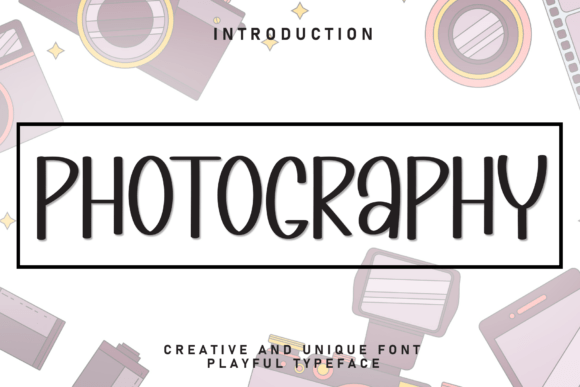
Photography is best described as a handwritten font with a distinctly affable and whimsical character. Its visual style mimics the natural flow of a felt-tip marker or a careful pencil sketch, but with a consistency and polish that elevates it beyond simple handwriting. The letterforms have a slight, charming irregularity that feels authentic, avoiding the sterile perfection of many digital typefaces. This isn't a frantic scrawl; it's a purposeful, sweet and friendly script that feels both personal and professionally crafted. Its overall appeal lies in this balance—it's approachable enough for a handmade product label yet refined enough for a boutique wedding invitation.
Where Photography Truly Shines: Practical Applications
The real value of a creative font like Photography is in its application. It’s a display font, meaning it’s designed for impact at larger sizes, like headlines, logos, and titles, rather than for long blocks of body copy. Its strength is in adding a dash of delightful character where it matters most.
In brand identity, Photography is a secret weapon for businesses that want to feel personable and trustworthy. Imagine it used for a bakery's logo design, the header of a lifestyle blog, or the branding for a family photographer. It instantly communicates warmth and care. For packaging design, especially for artisanal goods, cosmetics, or handmade crafts, this font can make a product feel special and considered before it's even opened.
The world of events and personal projects is a natural home for Photography. It’s perfectly suited for wedding invitations, save-the-dates, and thank-you cards, where a personal touch is paramount. For editorial design, think magazine pull quotes, chapter titles, or the masthead of a niche publication. It adds a human element to layouts that might otherwise feel cold. In the digital realm, it brings life to social media graphics, website hero sections, and email newsletter headers, helping your content stand out in a crowded feed.
Integrating Photography into Your Design Workflow
Choosing the right typeface is a strategic decision. Here’s how to think about incorporating Photography effectively. First, consider the project's core message. If your goal is to convey professionalism and authority, a sans serif font or a classic serif font might be your primary choice. Photography works as a powerful accent. Use it for a key headline or a call-to-action button to inject personality without compromising the overall structure.
Font pairing is critical. Photography’s organic, human feel pairs beautifully with clean, neutral typefaces. Try it with a geometric sans serif font for a modern, friendly contrast, or with a simple, elegant serif font for a more traditional yet approachable look. The key is to let Photography be the star of the show in its specific role, supported by more subdued supporting actors.
Before committing, always test the font in context. Create a mockup of your actual design—be it a business card, a website header, or a social media post. Check the readability of the word or phrase at the intended size. While Photography is clear for a handwritten font, its charm is best appreciated when it has room to breathe. Also, review the full character set. A quality premium font often includes stylistic alternates, ligatures, and extended language support, giving you more creative flexibility.
Finally, understand the licensing. If you’re using Photography for a commercial project—like client work, merchandise for sale, or a monetized blog—ensure you have the appropriate commercial license. This is a standard part of using design assets professionally and protects both you and the font's creator.
A Final Thought on Creative Typography
In the end, typography is about communication. Photography doesn’t just spell out words; it communicates a feeling. It’s a tool for designers, entrepreneurs, and creators who understand that the right font can transform a simple message into a memorable experience. By choosing it thoughtfully and pairing it wisely, you can impart that merry, welcoming vibe to your creativity, ensuring your projects connect with your audience on a genuinely human level.